
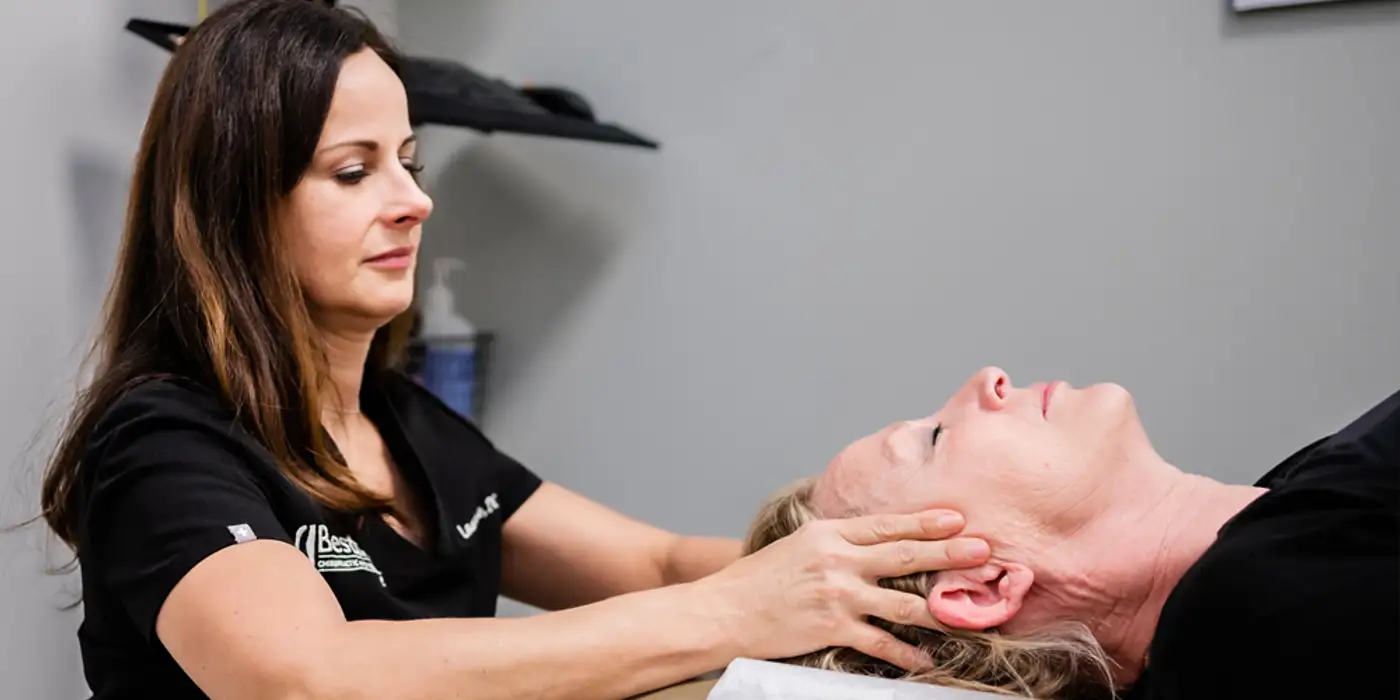
Chiropractic care for tmd / tmj
Get to the root of your tmd / tmj
Also known as: TMJ Disorder, Jaw Pain, Temporomandibular Joint Dysfunction
Jaw pain that clicks, pops, locks, or just aches all day is more than an annoyance — it affects eating, talking, and sleeping, and it often brings headaches along with it. At Best Life Chiropractic in Flower Mound and Plano, our chiropractors look beyond the jaw itself to the neck tension, posture, and muscle imbalances that can add to TMD, and recommend a gentle, drug-free plan that works alongside your dentist's care.
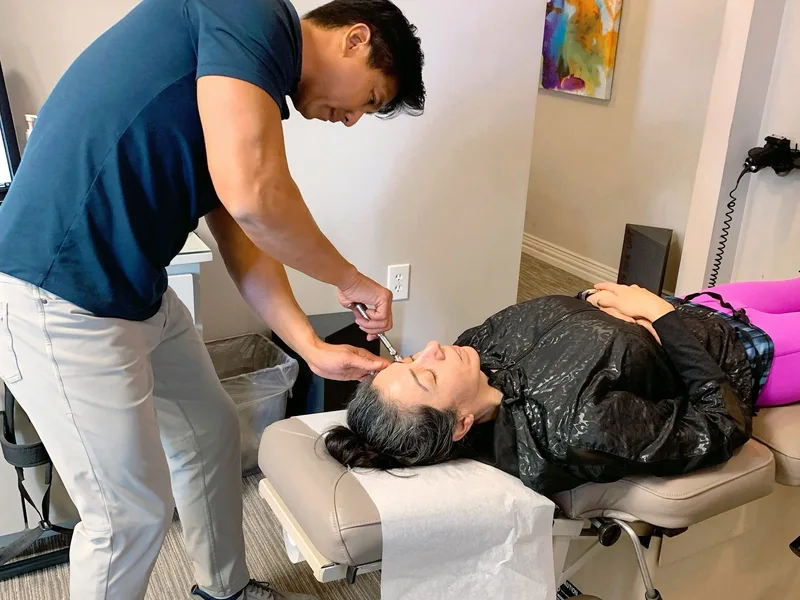
Symptoms of tmd / tmj
- ✓Clicking, popping, or grinding when you open or close your mouth
- ✓Pain or tenderness in the jaw joint, in front of the ear, or along the jaw line
- ✓Limited mouth opening or a jaw that gets stuck or locks
- ✓Headaches — especially in the temples or at the base of the skull
- ✓Facial muscle aching, tightness, or fatigue when chewing
- ✓Ear pain, fullness, or ringing (tinnitus) with no apparent ear cause
- ✓Neck and upper shoulder tension that accompanies jaw symptoms
Common causes
- Muscle imbalance and chronic clenching or grinding (bruxism)
- Poor posture and forward-head position straining the upper neck
- Restricted upper-neck joints altering jaw mechanics
- Bite misalignment from missing teeth, dental work, or a poor-fitting appliance
- Injury or trauma to the jaw, chin, or neck (including whiplash)
- Stress-driven jaw tension and teeth grinding during sleep
- Repetitive strain from prolonged gum chewing or wide mouth opening

Our approach
How we treat tmd / tmj in Flower Mound & Plano
- Step 01
Thorough exam
We look at your jaw motion, neck, and posture and perform orthopedic and muscle testing to understand what's contributing to your TMD — and refer you to your dentist when bite or splint needs come up.
- Step 02
A clear, personalized plan
You'll get a plain-English explanation of what we found and care recommendations built around your symptoms and goals.
- Step 03
Neck, posture & muscle care
Care may combine gentle adjustments to the neck and upper back, soft-tissue work for the neck, upper back, and the muscles that influence the jaw, and corrective exercise for posture. Your chiropractor will discuss whether gentle work around the jaw is appropriate for you.
The basics
Understanding tmd / tmj
The temporomandibular joints (TMJ) connect your lower jaw to your skull just in front of each ear. They work in tandem with a disc, muscles, and ligaments to let you chew, speak, and yawn — and they're in near-constant motion. When the disc, the muscles, or the joint mechanics become unbalanced, you can get the clicking, pain, limited opening, and headaches that define TMD. Bite issues and tooth grinding (bruxism) play a role, but so can forward-head posture, upper-neck joint restriction, and chronic tension in the jaw and neck muscles. Chiropractic care focuses on the neck, posture, and muscle-tension side of that picture.
That's why co-management often makes sense for TMD: your chiropractor focuses on the neck, upper back, posture, and the muscles that influence the jaw, while your dentist manages the bite and any splint therapy. If you haven't seen a dentist about your jaw yet, we'll refer you to one.
New Patient Special
$97 First visit
The same price at both our Flower Mound and Plano offices. Your first visit includes:
- Consultation with a chiropractor
- Comprehensive chiropractic exam
- Nervous system scan (INSiGHT or MyoVision)
- Doctor’s report of findings and care recommendations
X-rays are not included and are billed separately at $87 only if your doctor determines they are needed. We honor applicable insurance rates and benefits. This offer may not be combined with certain Medicare or major medical plans.


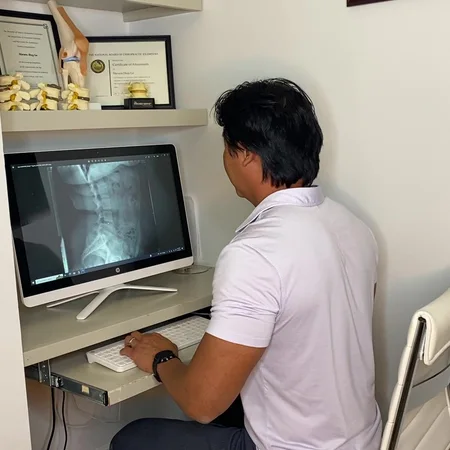
TMD and jaw pain — types we treat
TMJ disorder shows up differently from person to person. Common patterns include:
- Jaw clicking and popping — often related to how the disc moves within the joint. Your dentist evaluates the joint itself, while chiropractic care focuses on the neck, posture, and the muscles that influence the jaw.
- Jaw muscle pain and tightness — chronic clenching and grinding overload the chewing muscles. Soft-tissue work such as myofascial release or trigger point therapy for the neck, shoulders, and surrounding muscles, along with corrective exercise, aims to ease that tension.
- Neck-related jaw pain — upper-neck joint restriction that alters jaw mechanics and adds to TMD. Closely linked to neck pain; we address both in the same plan.
- TMD-related headaches — referred pain from the jaw and upper neck into the temples or skull base. Often overlaps with headaches and migraines; addressing the jaw and neck together may help both.
- Post-trauma TMD — jaw and neck injuries from whiplash, a blow to the chin, or dental procedures can set off TMD later.
- Posture-driven TMD — forward-head posture increases load on the TMJ and the upper neck at the same time. Corrective exercise and posture retraining are central to our approach.
Your exam tells us which pattern fits your jaw — so your plan is built for you, not a one-size-fits-all protocol.
When to see a chiropractor in Flower Mound or Plano
Jaw pain often lingers when neck tension and posture are contributing factors. Consider booking an exam if you notice:
- Jaw clicking, popping, or grinding that is painful or worsening
- Trouble opening your mouth fully or a jaw that catches or locks
- Facial muscle aching that lingers through the day or wakes you up
- Headaches in the temples or at the base of your skull alongside jaw symptoms
- Neck stiffness or upper-shoulder tension that seems linked to your jaw pain
- Jaw pain that started after a car accident, sports collision, or dental procedure
If jaw symptoms come with facial numbness, sudden difficulty swallowing, or signs of joint infection such as swelling, redness, and fever, seek urgent medical evaluation — these can indicate conditions outside the scope of conservative care. Call 911 if jaw pain comes with chest pressure, shortness of breath or sweating, or is brought on by exertion.
What to expect at your first visit
Your first visit is our New Patient Special, focused on understanding what’s driving your jaw pain before recommending care. It includes:
- A consultation with a chiropractor — when the symptoms started, what triggers clicking or locking, whether you grind your teeth, and how jaw pain is affecting eating, sleep, and daily life.
- A comprehensive chiropractic exam — jaw range of motion, orthopedic and neurological testing, posture assessment, and muscle palpation to map the mechanical drivers of your TMD.
- A nervous system scan — using INSiGHT or MyoVision technology.
- Your doctor’s report of findings — what we found, in plain English, with care recommendations and realistic expectations, including whether you should also see your dentist.
X-rays aren’t part of the New Patient Special; they’re taken only if your chiropractor determines they’re needed.
Drug-free TMJ care
Chiropractic care for TMD is drug-free and non-invasive. Our goal is to help ease the muscle tension and the neck and posture strain that keep jaw symptoms active, and to give you exercises and habits that support your progress between visits. If your exam suggests you need dental splint therapy, imaging, or specialist evaluation, we’ll tell you honestly and refer you.
Why patients in Flower Mound and Plano choose Best Life
Patients from Flower Mound, Plano, and nearby Grapevine, Southlake, Carrollton, and Addison choose Best Life Chiropractic because we look at the whole picture — not just the jaw. Our chiropractors address the neck mechanics, posture, and muscle tension that can add to TMD, working alongside your dentist rather than competing with them. Gentle chiropractic adjustments, hands-on myofascial release for the neck, upper back, and surrounding muscles, and targeted corrective exercise are combined into one clear plan.
Ready to get started? Begin with our New Patient Special, then book an appointment at our Flower Mound or Plano office.
Treatment options
Services we use to relieve tmd / tmj
Chiropractic Care
Chiropractic care in Flower Mound and Plano, TX, with a thorough exam and gentle adjustments focused on the underlying cause of back pain, neck pain, and headaches.
Learn more →Physiotherapy
Physiotherapy and corrective exercise in Flower Mound & Plano, TX help rebuild strength, mobility and movement control as part of your chiropractic care.
Learn more →Related conditions
Other conditions we treat in Flower Mound & Plano
Patient Stories
Loved by Families in Flower Mound & Plano
400 Google reviews · 273 in Flower Mound (5.0 out of 5) · 127 in Plano (4.9 out of 5)
Rated 5 out of 5
I have no complaints at all, I was treated and attended very well. I believe they are the highest caliber professionals on their clinic.
Rated 5 out of 5
Finding the time and energy to care for yourself can be hard (especially as a parent). So when you find the right place with the right experts, you want to take care of yourself and put yourself first 😊 finding the right chiropractor for you can almost be as hard as finding a hairdresser (mommas, am I right?). I have been blown away with the care I have received with everyone in this office - from the moment I walk in, til I wave goodbye and say see u later! I truly felt trust (from my first visit), they listen (not just to what I say, but to my body), they care and they are a fun, energetic group! I am excited I have found a life-long partner in my health journey! Bren 🤠🙌
Rated 5 out of 5
I was referred to Best Life Chiropractic by my friend Deandra, who is part of the team, and I'm so glad I took her recommendation! Everything she told me about the care, the people, and the experience has proven to be true. The staff here are truly amazing! From my very first visit, I could tell this office was different. The initial scans and assessments provided incredible insight into my body's alignment and areas of tension. I love that my care is based on what my body is actually showing, not just what I can explain with words. Every treatment is personalized with my comfort and overall well-being in mind. Dr. Laura and her staff genuinely care about their patients. Their compassion, faith, and love for people shine through in everything they do. You never feel like just another patient, and it's clear they truly love what they do. This is hands down the best chiropractic experience I've ever had! I'm incredibly grateful for this team and cannot recommend them enough!
read more reviews on Google Flower Mound reviews on Google (opens in a new tab) Plano reviews on Google (opens in a new tab)
All Patient ReviewsWhat causes TMJ disorder (TMD)?
TMD usually comes from a combination of factors — muscle imbalance from grinding or clenching, forward-head posture that loads the upper neck and alters jaw mechanics, bite misalignment, or past trauma to the jaw or neck. Your exam helps identify which of these is contributing to your symptoms so care can target the real source.
Can a chiropractor help TMJ pain?
Chiropractic care can be one part of TMD care. Your chiropractor focuses on the neck, upper back, posture, and the muscles that influence the jaw, while dentists manage the bite. Gentle upper-neck adjustments, soft-tissue work, and posture correction may help ease jaw discomfort and related headaches. Your chiropractor will discuss whether gentle work around the jaw is appropriate for you.
How many visits will I need for TMJ relief?
It depends on your condition and your goals. After your exam, your chiropractor will recommend a schedule — some patients come in several times a week, others once a month — and will reassess as you go. Best Life also offers ongoing wellness care.
Will my insurance cover TMJ treatment at a chiropractor?
Coverage varies by plan. Questions about insurance or payment? See our payment options page or call either office.
Is chiropractic care for TMJ safe?
Care focuses on gentle techniques for the neck, upper back, and surrounding muscles, and every patient starts with a consultation and a comprehensive exam to make sure care is appropriate. If anything suggests a dental, medical, or surgical problem, we'll tell you and refer you.
Should I see a chiropractor or a dentist for TMJ?
Often both. Dentists and orthodontists manage bite correction and splint therapy; chiropractors address the neck tension, posture patterns, and muscle tension that can add to jaw pain. Our chiropractors provide care that works alongside your dentist's.
Can TMJ cause headaches?
Yes, it can. The jaw muscles and joints share nerve pathways with the upper neck, so TMD can refer pain into the temples, behind the eyes, or to the base of the skull. Addressing neck and muscle tension alongside your dentist's care may help with both jaw pain and headaches. Learn more on our headaches page.
Can teeth grinding cause jaw and neck pain?
It can. Grinding or clenching, often during sleep, overloads the jaw muscles and the TMJ and can lead to morning jaw pain, headaches, and neck tension. Soft-tissue work for the neck and upper back and corrective exercise may help with the muscle tension that comes with it, while your dentist manages the bite.
Do I need imaging before starting TMJ treatment?
Not usually. TMD is typically assessed through your history, jaw range-of-motion testing, and muscle palpation. If we suspect a disc or structural problem that would change your care, we'll discuss appropriate imaging or refer you to your dentist for dental imaging.
What if my jaw locks open or closed?
A jaw that suddenly locks open or closed needs prompt evaluation — contact your dentist or seek urgent care. For occasional catching, your chiropractor will discuss whether gentle work around the jaw is appropriate for you. If locking is severe or doesn't improve with conservative care, we'll refer you to your dentist or an oral surgeon.