
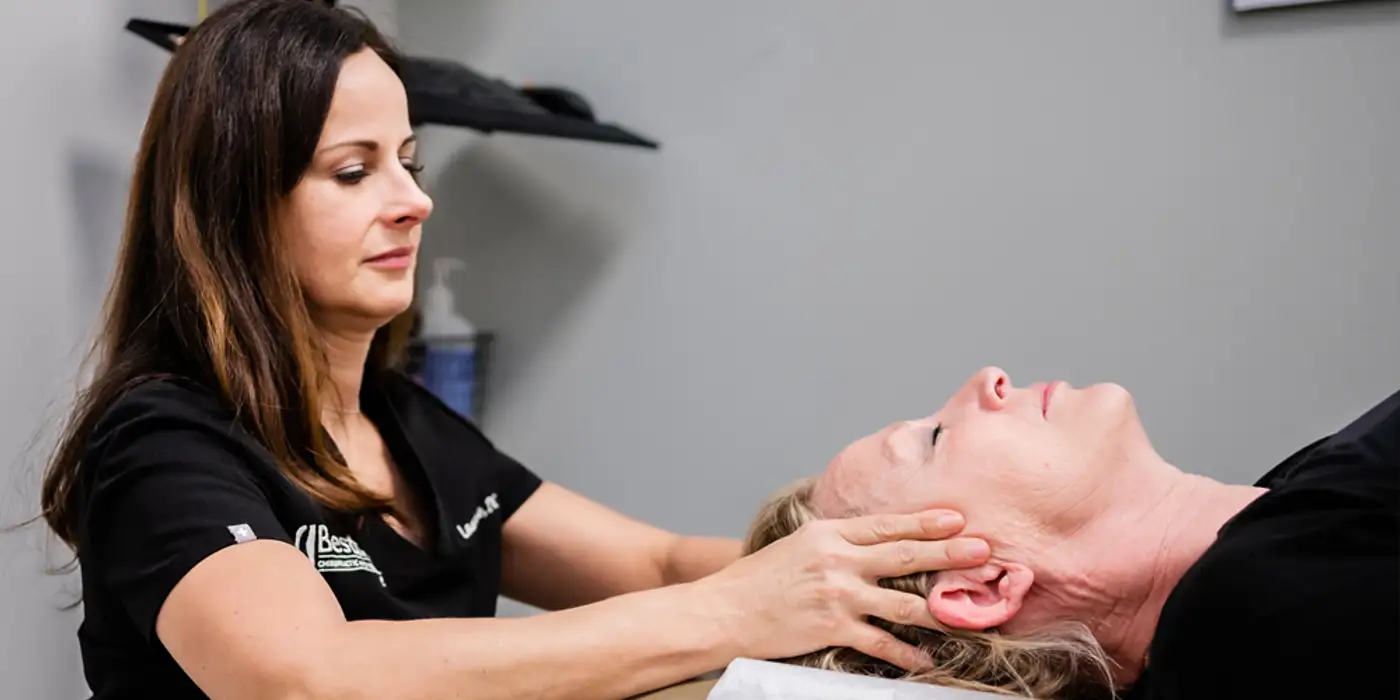
Chiropractic care for plantar fasciitis
Get to the root of your plantar fasciitis
Also known as: Heel Pain, Plantar Fascia Pain, Heel Spur Pain
That sharp, stabbing heel pain the moment your foot hits the floor in the morning is one of the most recognizable signs of plantar fasciitis. If your first steps out of bed feel like stepping on a nail, our chiropractors at Best Life Chiropractic's Flower Mound and Plano offices look at the foot mechanics, gait, and whole-body alignment that may be overloading the plantar fascia, with the goal of easing your pain and keeping you on your feet.
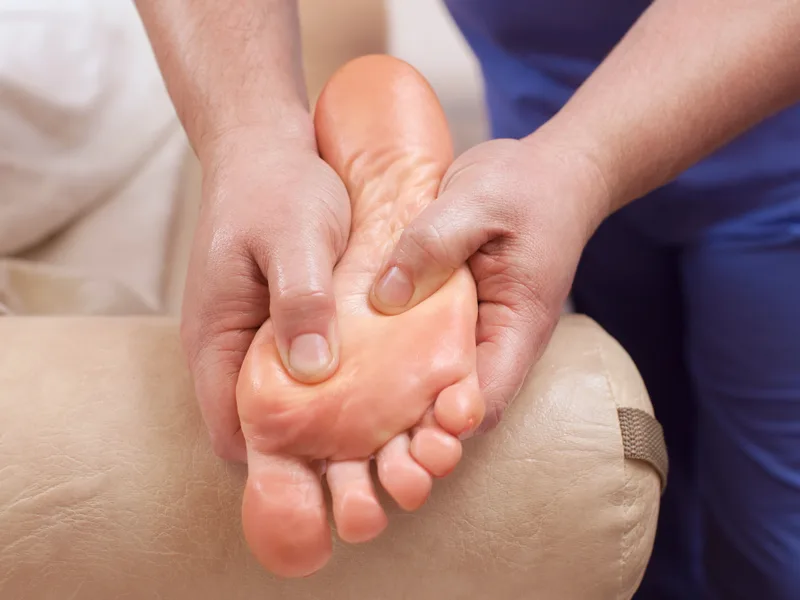
Symptoms of plantar fasciitis
- ✓Sharp heel pain with the first steps of the day or after rest
- ✓A dull, aching throb along the bottom of the foot after long periods of standing
- ✓Pain that improves after a few minutes of walking but returns later
- ✓Tenderness on the bottom of the heel, toward the inner side
- ✓Increased pain after activity rather than during it
- ✓Difficulty walking barefoot on hard floors
Common causes
- Overpronation or flat arches that overstretch the fascia with each step
- Tight calf muscles and Achilles tendon that pull on the heel attachment
- Sudden increases in training volume or duration (overuse)
- Prolonged standing on hard surfaces with poor footwear
- Hip and pelvic misalignment that shifts load unevenly onto one foot
- Excess body weight increasing force through the heel with every step
- Altered gait from a previous ankle, knee, or hip injury

Our approach
How we treat plantar fasciitis in Flower Mound & Plano
- Step 01
Thorough exam
We assess foot mechanics, arch structure, gait pattern, and the alignment of your ankle, knee, hip, and pelvis to find where the excess loading is coming from — not just where it hurts.
- Step 02
A clear, personalized plan
You leave the first visit with a plain-English explanation of what's driving your heel pain and care recommendations — soft-tissue work, adjustments, and exercise — matched to your condition and goals.
- Step 03
Gentle treatment & rehab
Care may combine chiropractic adjustments, soft-tissue release for the plantar fascia and calf, stretching, and corrective exercise to ease pain and improve the mechanics that load your heel.
The basics
Understanding plantar fasciitis
The plantar fascia is a thick band of connective tissue that runs along the bottom of your foot, connecting your heel bone to the base of your toes. It acts as a shock absorber and supports the arch with every step you take. When the fascia is chronically overloaded — from poor mechanics, tight calves, flattened arches, or abnormal gait — tiny tears accumulate at the heel attachment and trigger the irritation that causes plantar fasciitis. The classic morning pain happens because the fascia tightens overnight, and the first steps of the day re-stretch those irritated fibers all at once.
What many people don't realize is that plantar fasciitis is rarely a foot problem alone. How your ankle, knee, hip, and pelvis move affects how force loads through the arch. Overpronation, leg-length differences, tight hip flexors, or pelvic misalignment can all shift extra stress onto the plantar fascia — which is why we look beyond the foot. A full-body mechanical assessment helps us find where the loading problem starts and build a care plan around it.
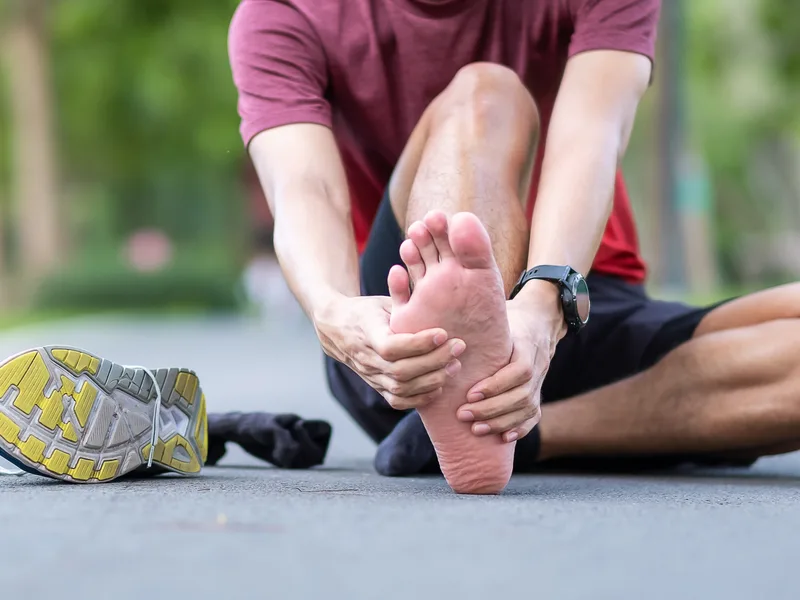
New Patient Special
$97 First visit
The same price at both our Flower Mound and Plano offices. Your first visit includes:
- Consultation with a chiropractor
- Comprehensive chiropractic exam
- Nervous system scan (INSiGHT or MyoVision)
- Doctor’s report of findings and care recommendations
X-rays are not included and are billed separately at $87 only if your doctor determines they are needed. We honor applicable insurance rates and benefits. This offer may not be combined with certain Medicare or major medical plans.

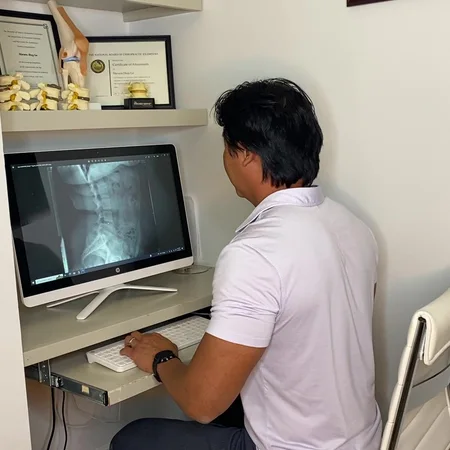
Types of plantar fasciitis and heel pain we treat
Heel pain is not always textbook plantar fasciitis, and the right care depends on what’s happening in your foot and the rest of your kinetic chain. Common patterns include:
- Classic plantar fasciitis — the hallmark first-step morning pain from chronic overloading of the heel attachment, addressed with soft-tissue release, stretching, and corrective exercise.
- Heel spur pain — bony growths that can develop alongside chronic fascia tension. The irritated tissue around a spur is often the real source of pain, so we focus on that tissue and its mechanical cause.
- Overpronation-driven arch pain — when flat arches or inward rolling of the foot overstretch the fascia with every step; gait work, foot adjustments, and guidance on footwear and arch support are central to the plan.
- Runner’s and athlete’s heel pain — overuse presentations from training load spikes, often tied to athlete care and hip or knee alignment work (see also knee pain).
- Gait-compensated heel pain — plantar fasciitis driven by uneven loading from a hip pain issue, leg-length difference, or prior ankle injury; we look at the chain, not just the foot.
- Heel pain in people who stand all day — prolonged standing on hard floors in unsupportive footwear combined with tight calves; see also overuse injuries.
Your exam tells us which pattern applies so your care is built for your foot — and everything above it.
When to see a chiropractor in Flower Mound or Plano
Many people try to walk off heel pain, but the longer the fascia stays overloaded, the more stubborn it tends to become. Consider booking an exam if you notice:
- Morning heel pain that has lasted more than a week or two
- Pain that goes away briefly but returns after standing or activity
- Heel pain that keeps coming back every few months
- Aching that has spread into the arch or Achilles area
- Heel pain alongside knee or hip discomfort on the same side — a sign the whole chain may be involved
- Pain that is worsening despite rest, stretching, and new shoes
Seek prompt medical care if heel pain follows a fall or a sudden “pop” and you can’t bear weight, if the foot is red, hot, and swollen or you have a fever, or if you have numbness in the foot — especially if you have diabetes.
What to expect at your first visit
Your first visit is our New Patient Special, focused on understanding your heel pain before any care begins:
- Consultation with a chiropractor — when the pain started, what makes it better or worse, your footwear, activity level, and how it’s affecting your daily routine.
- Comprehensive chiropractic exam — orthopedic and neurological testing, plus a look at foot mechanics, arch structure, ankle and hip range of motion, and your gait pattern to find contributing factors up the chain.
- Nervous system scan — an INSiGHT or MyoVision scan, included in every New Patient Special.
- Report of findings — your doctor explains what they found in plain English and gives you care recommendations, often including a home-stretching routine.
X-rays aren’t part of the first visit; they’re taken only if your doctor determines they’re needed. How often you come in after that depends on your condition and goals — some patients come several times a week, others once a month.
Drug-free, non-invasive heel pain care
Chiropractic care for plantar fasciitis is drug-free and non-invasive. Following our corrective care approach, the goal is to ease pain and address what’s driving it — foot mechanics, tight calves, and the gait and alignment patterns that load the fascia. Depending on your exam, care may combine adjustments, soft-tissue work, stretching, and corrective exercise. If your exam suggests imaging or specialist care, we’ll tell you honestly and refer you.
Why patients in Flower Mound and Plano choose Best Life
Patients from Flower Mound, Plano, and nearby communities such as Highland Village, Grapevine, McKinney, and Allen choose Best Life because we look at the whole picture — not just the bottom of your foot. Our chiropractors bring over 20 years of clinical experience and combine gentle chiropractic adjustments of the foot and ankle, hands-on soft-tissue work such as myofascial release, and targeted corrective exercise into one coordinated plan. For runners and athletes, Dr. Laura Le and Dr. Steven Le both hold the CCSP sports chiropractic certification. When hip or knee mechanics are part of the problem, we address those too.
Ready to take a more comfortable first step? Our New Patient Special makes your first visit easy, and you can book an appointment at either office. Questions about insurance or payment? See our payment options or call either office.
Treatment options
Services we use to relieve plantar fasciitis
Chiropractic Care
Chiropractic care in Flower Mound and Plano, TX, with a thorough exam and gentle adjustments focused on the underlying cause of back pain, neck pain, and headaches.
Learn more →Physiotherapy
Physiotherapy and corrective exercise in Flower Mound & Plano, TX help rebuild strength, mobility and movement control as part of your chiropractic care.
Learn more →Athlete Care
Athlete care in Flower Mound & Plano, TX with CCSP-certified sports chiropractors on our team and a staged plan for strains, sprains and overuse injuries.
Learn more →Cold Laser Therapy
Cold laser therapy at Best Life Chiropractic, serving Flower Mound & Plano, TX, a drug-free, non-invasive option for soft-tissue and joint pain.
Learn more →Related conditions
Other conditions we treat in Flower Mound & Plano
Patient Stories
Loved by Families in Flower Mound & Plano
400 Google reviews · 273 in Flower Mound (5.0 out of 5) · 127 in Plano (4.9 out of 5)
Rated 5 out of 5
I have no complaints at all, I was treated and attended very well. I believe they are the highest caliber professionals on their clinic.
Rated 5 out of 5
Finding the time and energy to care for yourself can be hard (especially as a parent). So when you find the right place with the right experts, you want to take care of yourself and put yourself first 😊 finding the right chiropractor for you can almost be as hard as finding a hairdresser (mommas, am I right?). I have been blown away with the care I have received with everyone in this office - from the moment I walk in, til I wave goodbye and say see u later! I truly felt trust (from my first visit), they listen (not just to what I say, but to my body), they care and they are a fun, energetic group! I am excited I have found a life-long partner in my health journey! Bren 🤠🙌
Rated 5 out of 5
I was referred to Best Life Chiropractic by my friend Deandra, who is part of the team, and I'm so glad I took her recommendation! Everything she told me about the care, the people, and the experience has proven to be true. The staff here are truly amazing! From my very first visit, I could tell this office was different. The initial scans and assessments provided incredible insight into my body's alignment and areas of tension. I love that my care is based on what my body is actually showing, not just what I can explain with words. Every treatment is personalized with my comfort and overall well-being in mind. Dr. Laura and her staff genuinely care about their patients. Their compassion, faith, and love for people shine through in everything they do. You never feel like just another patient, and it's clear they truly love what they do. This is hands down the best chiropractic experience I've ever had! I'm incredibly grateful for this team and cannot recommend them enough!
read more reviews on Google Flower Mound reviews on Google (opens in a new tab) Plano reviews on Google (opens in a new tab)
All Patient ReviewsWhat causes plantar fasciitis?
Plantar fasciitis develops when the connective tissue along the bottom of your foot is chronically overloaded. Common contributors are overpronation, tight calves and Achilles tendons, sudden jumps in activity, prolonged standing on hard surfaces, and hip or pelvic alignment that shifts extra force onto one foot. Our exam looks for which of these applies to you.
Can a chiropractor help plantar fasciitis?
Chiropractic care may help because we look beyond the foot. Care can include adjustments to restore motion in the foot and ankle, soft-tissue work on the fascia and calf, attention to hip or pelvic alignment that may be overloading the heel, and corrective exercise to support the arch.
Why does my heel hurt most with the first steps of the day?
During sleep your plantar fascia tightens slightly. When you stand up and put weight through your foot, that tight, irritated tissue is suddenly stretched all at once — producing the signature sharp morning pain. It often eases after a few minutes of walking as the fascia warms up and lengthens.
How many visits will I need for plantar fasciitis?
It depends on your condition and goals, including how long you've had heel pain and what's driving it. Some patients come in several times a week, others once a month. After your exam, your chiropractor will explain their recommendations so you know what to expect.
Is chiropractic safe for heel pain?
The adjustments, soft-tissue work, and exercises we use for plantar fasciitis are gentle and generally well tolerated. Your first visit includes a comprehensive exam to confirm care is appropriate, and we'll refer you for imaging or specialist care if your exam calls for it.
Does insurance cover plantar fasciitis chiropractic care?
Questions about insurance or payment? See our payment options page or call either of our offices in Flower Mound or Plano, and our team will be glad to help before your first visit.
Do I need a referral or X-rays before coming in?
No referral is needed to see a chiropractor in Texas. Many plantar fasciitis cases don't need imaging before care starts. X-rays are taken only if your doctor determines they're needed, for example when a heel spur or stress fracture may be complicating the picture.
Can plantar fasciitis come from a hip or knee problem?
It can. Hip and pelvic misalignment changes how your gait loads the foot, and knee or ankle issues can create compensation patterns that overload the plantar fascia. That's why our exam looks at the whole chain above the foot, not just the heel.
How can I relieve plantar fasciitis pain at home between visits?
Stretch your calves and plantar fascia before your first steps in the morning, roll the arch with a frozen water bottle, avoid bare feet on hard floors, and wear supportive shoes with a slight heel rise. These help manage symptoms, while your care plan aims at the mechanics behind them.
Will orthotics help my plantar fasciitis?
Arch supports or orthotics may reduce stress on the plantar fascia for some people by supporting the arch and controlling how the foot rolls inward. Your chiropractor can talk with you about whether they're likely to help your foot structure and how they fit into your overall plan.
Can plantar fasciitis heal on its own?
Mild cases sometimes improve with rest, stretching, and better footwear. If you have persistent morning pain, pain that keeps returning, or heel pain tied to a gait or alignment problem, an exam can help identify what's driving it so care can be aimed at the cause.