
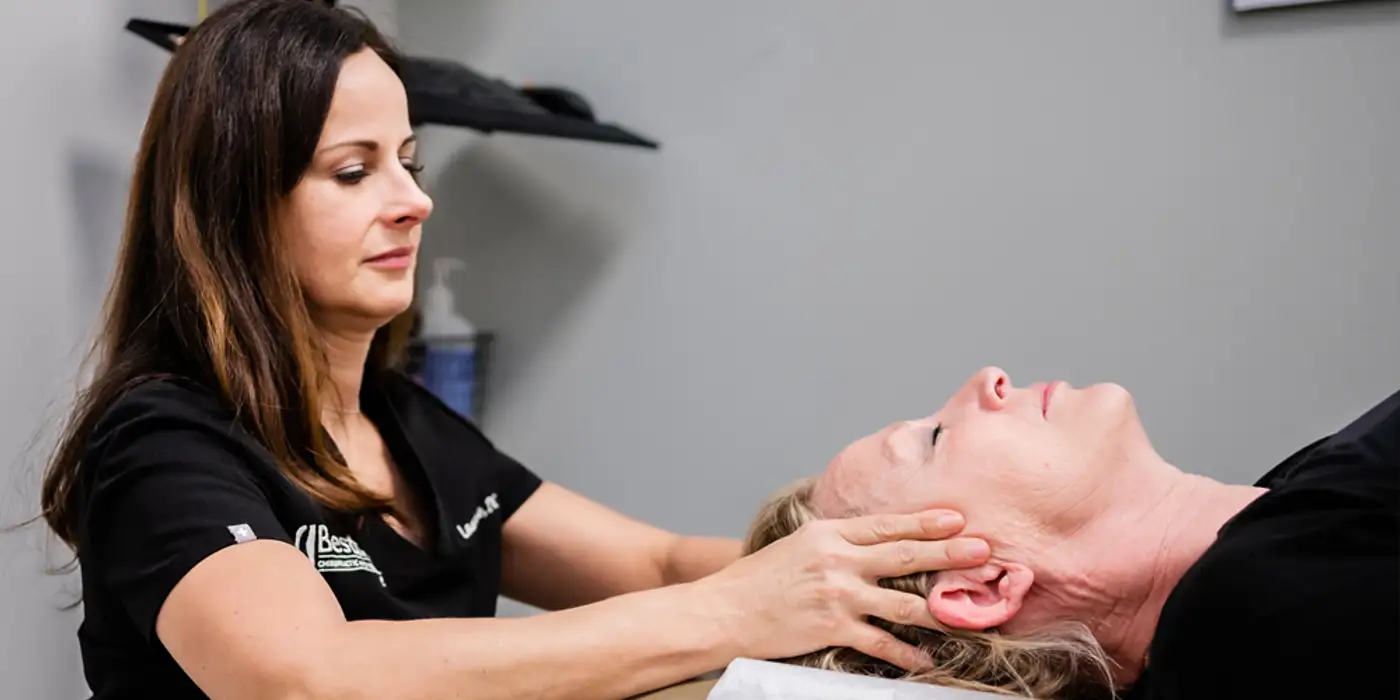
Chiropractic care for scoliosis
Get to the root of your scoliosis
Also known as: Spinal Curvature, Curvature of the Spine
Scoliosis — a sideways curvature of the spine — can show up at any age, from growing teens to adults whose spines change over time. Chiropractic care won't straighten a structural curve, but at Best Life Chiropractic our chiropractors use a gentle, conservative approach to help with what scoliosis often brings: muscle tension, stiffness, postural fatigue, and discomfort. Care at our Flower Mound and Plano offices works alongside any orthopedic monitoring or other care you're already receiving.
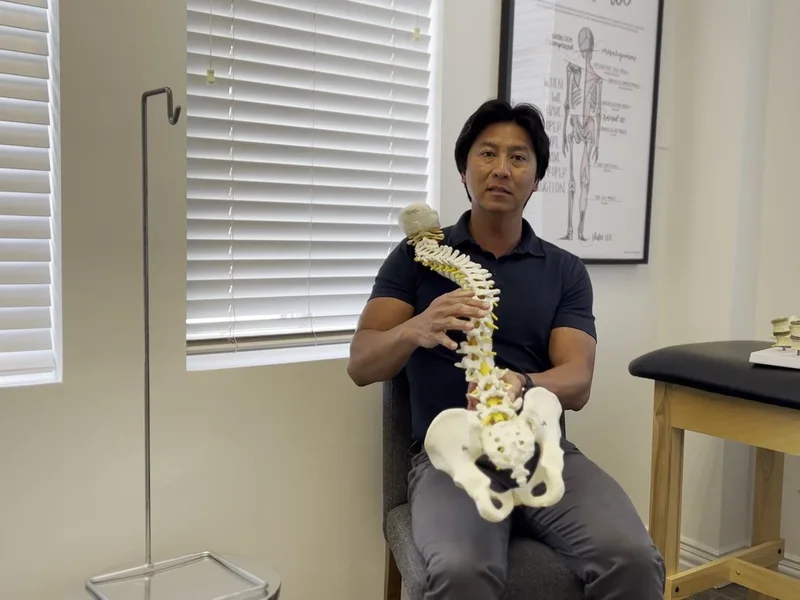
Symptoms of scoliosis
- ✓Uneven shoulders, with one noticeably higher than the other
- ✓Uneven hips or a visible tilt in the pelvis
- ✓One shoulder blade that sticks out more than the other
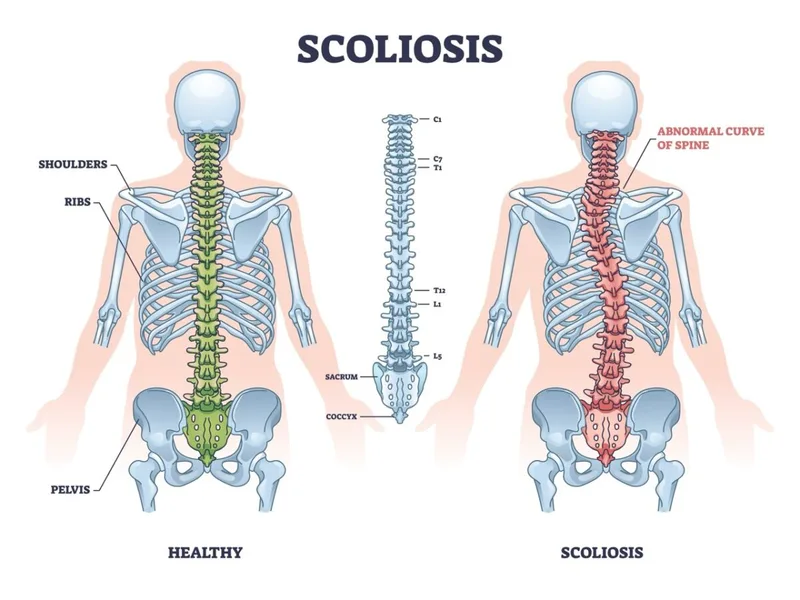
- ✓A visible curve or "S" shape when viewed from behind
- ✓Persistent mid- or low-back pain and muscle fatigue
- ✓Reduced range of motion and stiffness through the spine
Common causes
- Idiopathic (unknown cause) — the most common type, typically appearing during adolescent growth spurts
- Congenital scoliosis from vertebrae that formed abnormally before birth
- Degenerative scoliosis from disc wear, arthritis, and bone loss in adults
- Neuromuscular conditions such as cerebral palsy or muscular dystrophy
- Muscle imbalance or postural habits that place uneven load on the spine
- Leg-length inequality causing compensatory pelvic tilt and spinal asymmetry
- Osteoporosis-related vertebral compression in older adults
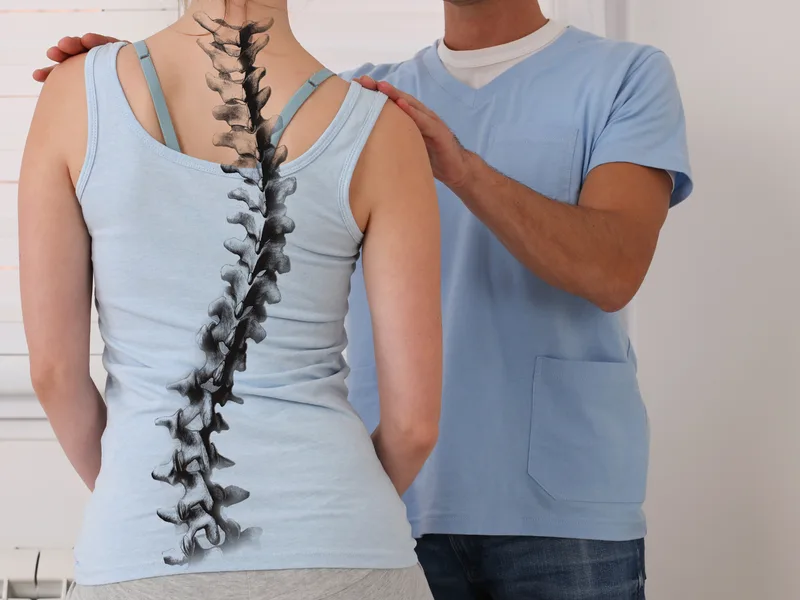
Our approach
How we treat scoliosis in Flower Mound & Plano
- Step 01
Thorough evaluation
We start with a consultation and a comprehensive exam — your history, any prior imaging, and orthopedic, neurological, and postural testing — to understand your curve pattern and how it affects you day to day, so we can set realistic goals together.
- Step 02
A personalized management plan
You get a clear explanation of what we found, what chiropractic care can realistically help with, and care recommendations that fit alongside any bracing or orthopedic care. We refer when it's in your best interest.
- Step 03
Gentle treatment & supportive rehab
We use gentle adjustments to support spinal mobility and ease discomfort, combined with corrective exercises that strengthen the supporting muscles — with the goal of helping you move and feel better day to day.
The basics
Understanding scoliosis
Scoliosis is defined as a lateral (sideways) curvature of the spine measuring 10 degrees or more on a standing X-ray. In most people no specific cause is found — this is called idiopathic scoliosis, and it typically appears during the adolescent growth spurt. Adults can also develop degenerative scoliosis as discs wear unevenly and vertebrae shift over time, often adding new discomfort on top of an already-complicated spine.
It is important to be clear about what chiropractic care can and cannot do for scoliosis. Chiropractic care does not straighten a structural curve, and we don't promise to stop a curve from progressing. What it can help with is the strain that often comes with a curved spine: muscle tension, restricted joint mobility, postural fatigue, and pain. Our corrective-care approach starts by looking for what is driving your symptoms, then uses gentle adjustments and corrective exercise to keep joints moving and build the muscles that support the spine. Moderate and severe curves, or any curve that appears to be progressing in a growing child or teen, need orthopedic co-management — and we refer whenever it is in your best interest.
New Patient Special
$97 First visit
The same price at both our Flower Mound and Plano offices. Your first visit includes:
- Consultation with a chiropractor
- Comprehensive chiropractic exam
- Nervous system scan (INSiGHT or MyoVision)
- Doctor’s report of findings and care recommendations
X-rays are not included and are billed separately at $87 only if your doctor determines they are needed. We honor applicable insurance rates and benefits. This offer may not be combined with certain Medicare or major medical plans.

Types of scoliosis we see
“Scoliosis” covers several distinct patterns, and what’s driving your curve shapes what conservative care can realistically offer.
- Adolescent idiopathic scoliosis — the most common type, appearing during the growth spurt with no identifiable cause. Chiropractic care can support comfort and mobility alongside any orthopedic monitoring, and we refer for orthopedic evaluation if the curve is progressing. Related: back pain.
- Degenerative (de novo) scoliosis — develops in adults as discs wear unevenly and vertebrae shift, often adding back pain and stiffness on top of the curvature. Gentle adjustments and corrective exercise may help ease pain and support function.
- Postural or functional scoliosis — a curve driven by muscle imbalance, leg-length differences, or habitual posture rather than a structural change in the vertebrae. Corrective exercise and postural rehab may help improve the pattern. See also poor posture.
- Neuromuscular scoliosis — curves secondary to conditions such as cerebral palsy or muscular dystrophy. These typically need specialist-led management; chiropractic care may play a supportive role when appropriate.
We’ll identify your curve type during your evaluation and be straightforward about where conservative care fits in your overall plan.
What to expect at your first visit
Your first visit is our New Patient Special — an evaluation, not just a treatment session, because we need to understand your curve and how it affects you before recommending care. It includes:
- A consultation with a chiropractor — your history, any prior X-rays or MRI, how long you’ve had the diagnosis, and how your symptoms have changed over time. Bring existing imaging if you have it.
- A comprehensive chiropractic exam — orthopedic and neurological testing, plus a look at how your spine moves and where muscle tension or weakness is concentrated.
- A nervous system scan — using INSiGHT or MyoVision technology.
- Your doctor’s report of findings — a clear picture of what chiropractic care can realistically help with (discomfort, mobility, muscle balance) and what it can’t (straightening a structural curve or stopping progression), with care recommendations that fit alongside any other providers on your team.
X-rays aren’t part of the New Patient Special; they’re taken only if your chiropractor determines they’re needed. If conservative care isn’t the right fit for you, we’ll tell you — and refer you to the right provider.
Conservative, drug-free scoliosis care
For many people living with mild to moderate scoliosis that causes daily discomfort, conservative care is a reasonable place to start — and it can fit alongside any monitoring, bracing, or specialist care they already have.
At Best Life Chiropractic, conservative scoliosis care focuses on three goals: ease discomfort without drugs, help the spine move as well as possible despite the curve, and build the muscular support that makes everyday activity easier. We use gentle chiropractic adjustments for restricted spinal and rib joints and corrective exercise for the muscle imbalances a curve creates. If your scoliosis comes with broader back pain or neck pain, we look at them together rather than as unrelated problems.
We’re honest that this approach is about managing symptoms, not changing the structure of the curve. For people who want to stay active and feel more comfortable day to day, that distinction matters — and it’s how we set goals together.
When to see a chiropractor in Flower Mound or Plano
You don’t have to be in severe pain to benefit from a scoliosis consultation. Consider booking an evaluation if you notice:
- Persistent mid- or lower-back pain or fatigue that you’ve been told is “just from your curve”
- Uneven shoulder or hip height, or one shoulder blade that protrudes more than the other
- Increasing stiffness or loss of flexibility through the trunk
- Back pain that limits your work, sleep, or activity
- You’ve been diagnosed and want to explore conservative, drug-free symptom management
- Your teenager has a diagnosed curve and you’d like supportive care alongside orthopedic monitoring
During your first visit we review any existing imaging, perform a thorough exam, and give you an honest picture of what chiropractic care can realistically do for your specific situation. If conservative care isn’t the right fit, we’ll tell you — and point you in the right direction.
Why patients in Flower Mound and Plano choose Best Life
Patients from Flower Mound, Plano, and nearby communities like Highland Village, Lewisville, Frisco, and McKinney come to Best Life Chiropractic for straight answers about what chiropractic care can and can’t do. Our team brings over 20 years of clinical experience and a corrective-care approach — looking for what’s driving your symptoms instead of only chasing them. For scoliosis, that means gentle chiropractic adjustments for joint mobility and corrective exercise to build the muscular support your spine needs.
We care for the whole family, from adults to kids and teens. Many scoliosis patients also deal with low back pain, so we look at both together. And because scoliosis care is often a long-term relationship, we reassess regularly and refer to other providers when needed.
Ready to find out whether chiropractic care is a good fit for your scoliosis? Start with our New Patient Special, then book an appointment at our Flower Mound or Plano office.
Treatment options
Services we use to relieve scoliosis
Chiropractic Care
Chiropractic care in Flower Mound and Plano, TX, with a thorough exam and gentle adjustments focused on the underlying cause of back pain, neck pain, and headaches.
Learn more →Physiotherapy
Physiotherapy and corrective exercise in Flower Mound & Plano, TX help rebuild strength, mobility and movement control as part of your chiropractic care.
Learn more →X-Rays
Chiropractic X-rays at Best Life in Flower Mound and Plano, TX, taken only when your doctor determines they're needed and explained in plain English.
Learn more →Related conditions
Other conditions we treat in Flower Mound & Plano
Videos
Hear From Our Patients
Patient stories describe one person's experience. Individual results vary. See all videos →
Patient Stories
Loved by Families in Flower Mound & Plano
400 Google reviews · 273 in Flower Mound (5.0 out of 5) · 127 in Plano (4.9 out of 5)
Rated 5 out of 5
I have no complaints at all, I was treated and attended very well. I believe they are the highest caliber professionals on their clinic.
Rated 5 out of 5
Finding the time and energy to care for yourself can be hard (especially as a parent). So when you find the right place with the right experts, you want to take care of yourself and put yourself first 😊 finding the right chiropractor for you can almost be as hard as finding a hairdresser (mommas, am I right?). I have been blown away with the care I have received with everyone in this office - from the moment I walk in, til I wave goodbye and say see u later! I truly felt trust (from my first visit), they listen (not just to what I say, but to my body), they care and they are a fun, energetic group! I am excited I have found a life-long partner in my health journey! Bren 🤠🙌
Rated 5 out of 5
I was referred to Best Life Chiropractic by my friend Deandra, who is part of the team, and I'm so glad I took her recommendation! Everything she told me about the care, the people, and the experience has proven to be true. The staff here are truly amazing! From my very first visit, I could tell this office was different. The initial scans and assessments provided incredible insight into my body's alignment and areas of tension. I love that my care is based on what my body is actually showing, not just what I can explain with words. Every treatment is personalized with my comfort and overall well-being in mind. Dr. Laura and her staff genuinely care about their patients. Their compassion, faith, and love for people shine through in everything they do. You never feel like just another patient, and it's clear they truly love what they do. This is hands down the best chiropractic experience I've ever had! I'm incredibly grateful for this team and cannot recommend them enough!
read more reviews on Google Flower Mound reviews on Google (opens in a new tab) Plano reviews on Google (opens in a new tab)
All Patient ReviewsCan a chiropractor straighten scoliosis?
No. Chiropractic care cannot straighten a structural curve or reverse scoliosis. Our goal is to help with what comes with it — easing discomfort, improving how your spine moves, and supporting posture and muscle balance. For moderate, severe, or progressing curves, we work alongside your orthopedic provider and refer for bracing or surgical evaluation when that's the right next step.
Is scoliosis painful?
It depends on the size of the curve and the person. Mild scoliosis is often painless, while larger curves can bring back pain, muscle fatigue, and stiffness — especially in adults, where wear-and-tear changes add to the curve. When scoliosis is causing discomfort, chiropractic care may help ease it.
Can chiropractic stop scoliosis from getting worse?
We can't promise that, and we won't. What we can do is help keep your spine moving well, reduce muscular strain around the curve, and keep an eye on how you're doing over time. If we see signs of progression, we'll refer you promptly for orthopedic evaluation and imaging.
What types of scoliosis do you see?
Many people who seek chiropractic care for scoliosis are adults with mild to moderate idiopathic or degenerative curves, or teens with idiopathic curves whose families want gentle, conservative care alongside orthopedic monitoring. We'll be upfront about whether chiropractic care is appropriate for your specific case.
Will I need X-rays or imaging before treatment?
Please bring any existing imaging — it helps. X-rays aren't part of the New Patient Special; they're taken only if your chiropractor determines they're needed. When they are, X-rays taken over time can also help monitor how your spine is changing — for growing kids and teens, curve monitoring is usually led by the orthopedic team.
How is scoliosis diagnosed?
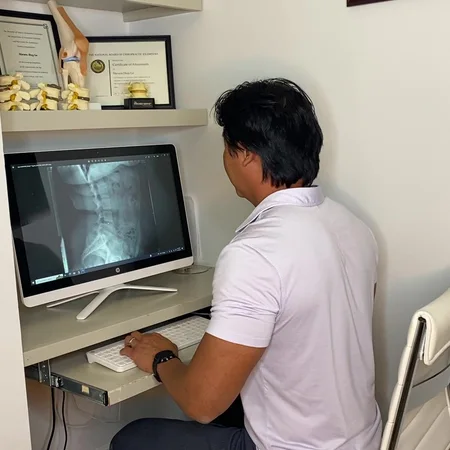
Diagnosis involves a physical exam, including the Adams forward-bend test, and usually a standing full-spine X-ray to measure the curve (the Cobb angle). If you haven't been formally diagnosed, we can look for signs of scoliosis during your exam and arrange imaging or a referral as needed.
Is chiropractic care appropriate for teens with scoliosis?
Care for growing patients should be gentle and age-appropriate, and that's how our chiropractors approach it — working with any orthopedic team already monitoring the curve. Dr. Laura Le, DC, CACCP, CCSP is certified by the Academy Council of Chiropractic Pediatrics and has advanced training in pediatric care.
Do you see adults with scoliosis?
Yes. Degenerative scoliosis in adults often brings back pain and stiffness, and gentle adjustments and corrective exercise may help ease them. We see adults at our Flower Mound and Plano offices, including patients from nearby Lewisville, Coppell, Frisco, and Allen.
How many visits will I need?
It depends on your condition and your goals. Some patients come in several times a week, others once a month, and Best Life also offers ongoing wellness care. Scoliosis care is often a long-term relationship, so your chiropractor will reassess and adjust recommendations as you go.
Do you refer out for severe scoliosis?
Yes, always. Larger curves, curves that are progressing quickly in a growing teen, or any curve that comes with neurological symptoms need orthopedic, neurosurgical, or bracing evaluation. We refer promptly and can continue supportive care alongside that treatment when it's appropriate.