
Chiropractic & autoimmune disease
Whole-person support for autoimmune disease
Also known as: Autoimmune Conditions, Chronic Inflammation, Autoimmune Wellness
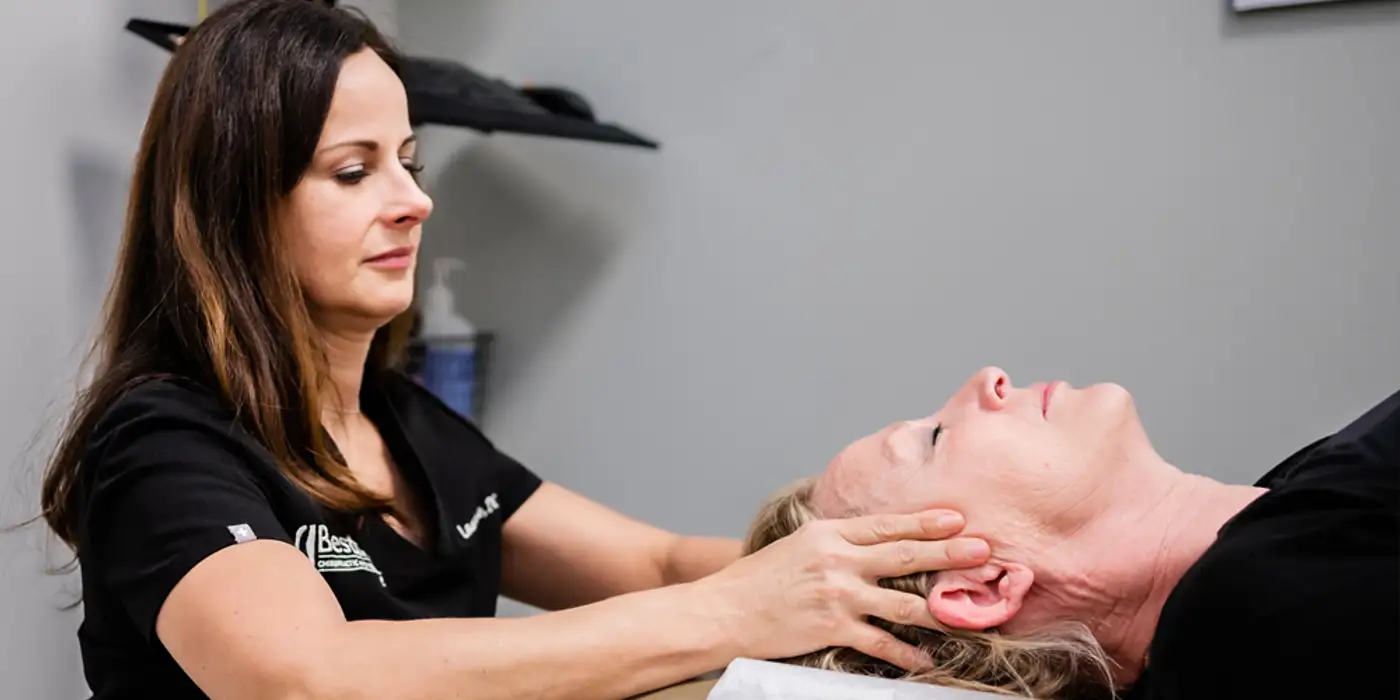
Living with an autoimmune condition often means navigating ongoing pain, fatigue and stiffness that no single provider handles alone. At our Flower Mound and Plano offices, Best Life Chiropractic offers gentle, supportive care for the musculoskeletal discomfort these conditions can bring, strictly alongside your rheumatologist or physician and never in place of them. We make no claim to treat, cure or change the course of any autoimmune condition; our goal is to help you move more freely and feel more comfortable within the plan your medical team has set.

Signs and symptoms
- ✓Widespread joint pain, aching and morning stiffness
- ✓Reduced spinal and extremity range of motion
- ✓Muscle tension and guarded movement patterns
- ✓Fatigue that feels worse when you're in physical discomfort
- ✓Postural changes from chronic pain and protective holding
- ✓Tenderness in the neck, mid-back or lower back
- ✓Difficulty with daily activities because of pain and stiffness
Common contributing factors
- Immune system activity that drives ongoing joint and tissue inflammation
- Persistent joint and spinal stiffness from inflammatory cycles
- Deconditioning and muscle weakness from avoiding activity
- Compensatory movement patterns that add secondary musculoskeletal strain
- Prolonged guarded posture that restricts spinal mobility over time
- Medication side effects that affect muscle and connective tissue
- Physical and emotional stress that can heighten pain sensitivity

Our approach
How we support autoimmune disease in Flower Mound & Plano
- Step 01
Careful, thorough intake
We review your diagnosis, current medications and medical team before any care begins. Your rheumatologist's or physician's treatment plan guides our approach, and we work within it, not around it.
- Step 02
A supportive, realistic plan
Your report of findings gives an honest picture of what supportive care may offer and where its limits are. How often you come in depends on your condition and goals, and recommendations adapt as your condition changes.
- Step 03
Gentle supportive care
Low-force adjustments such as the Activator Method, gentle soft-tissue work like myofascial release and light corrective movement may help ease musculoskeletal stiffness and support mobility, alongside your medical care.
The basics
Understanding autoimmune disease
Autoimmune diseases occur when the immune system mistakenly targets the body's own tissues, such as joints, connective tissue, organs or the nervous system. The result is often inflammation that can cause widespread joint pain, stiffness, fatigue and reduced range of motion. Conditions in this group range from rheumatoid arthritis and lupus to ankylosing spondylitis and psoriatic arthritis, and each needs careful medical management by a physician or rheumatologist. Diagnosis, treatment and disease management are outside the scope of chiropractic care.
What chiropractic care may offer, as one supportive part of a broader plan, is gentle attention to the musculoskeletal discomfort that often comes with these conditions, including joint stiffness, restricted spinal mobility, muscle tension and guarded movement patterns that build up over time. Many people seek supportive care not to address the autoimmune disease itself but to ease the physical strain of living with it day to day. General nutrition and lifestyle support can be part of that too, always in step with your medical team's plan, which comes first.

New Patient Special
$97 First visit
The same price at both our Flower Mound and Plano offices. Your first visit includes:
- Consultation with a chiropractor
- Comprehensive chiropractic exam
- Nervous system scan (INSiGHT or MyoVision)
- Doctor’s report of findings and care recommendations
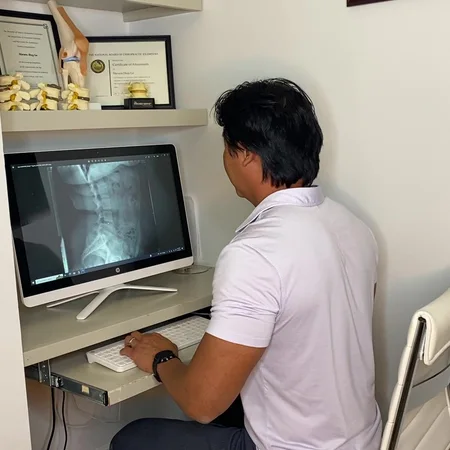
X-rays are not included and are billed separately at $87 only if your doctor determines they are needed. We honor applicable insurance rates and benefits. This offer may not be combined with certain Medicare or major medical plans.

How chiropractic care may support people living with autoimmune disease
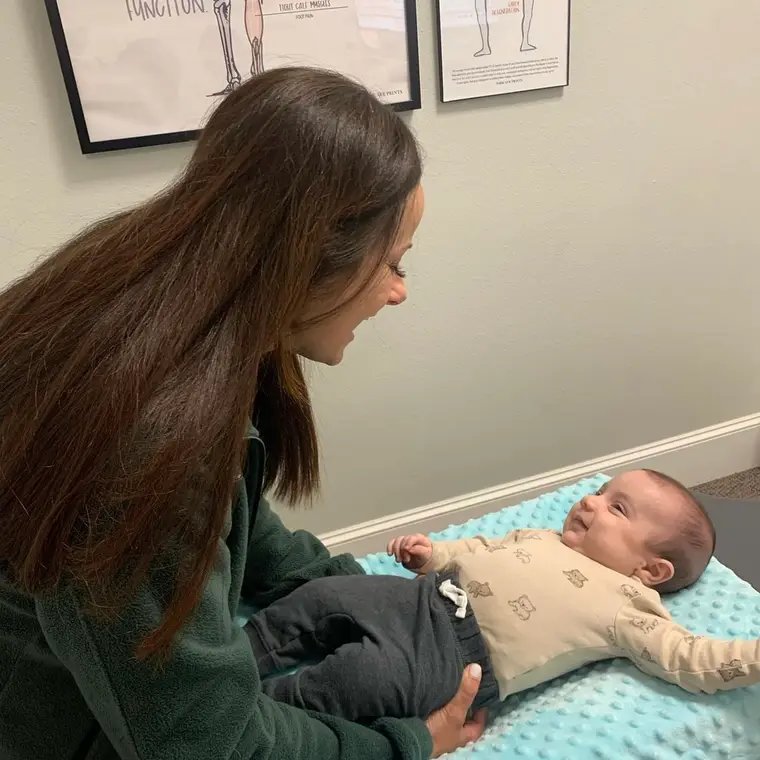
Autoimmune conditions involve the immune system, and that is entirely outside chiropractic’s scope. What chiropractic care can address is the musculoskeletal layer of discomfort these conditions often produce: restricted spinal joints, tight muscles bracing against pain, and postural changes that build up over months and years.
Gentle, low-force chiropractic care, when it is appropriate and your medical team is kept informed, may help some people feel more comfortable and move more freely day to day. We make no claim that it influences the immune response or the underlying disease. It is supportive comfort care, offered as one part of a broader plan that your medical team leads.
When to see a chiropractor in Flower Mound or Plano
Supportive chiropractic care may be worth discussing with your physician or rheumatologist if:
- Joint stiffness, spinal pain or muscle tension is a significant part of your daily symptoms
- You are managing your autoimmune condition medically and are looking for a gentle complement to your plan
- Reduced mobility is affecting your quality of life and you want conservative support for movement
- Your medical team is open to, or recommends, a multidisciplinary approach
Please see your physician for diagnosis, treatment decisions and management of your autoimmune condition. Contact your physician promptly about a hot, swollen joint, a fever or any significant change in your symptoms, and seek emergency care for chest pain, trouble breathing or sudden weakness or numbness.
What to expect at your first visit
Your first visit is our New Patient Special, and with an autoimmune condition we keep it careful and unhurried:
- Consultation with a chiropractor — your diagnosis, current medications, provider team, disease activity and what you hope supportive care might offer.
- Comprehensive chiropractic exam — orthopedic and neurological testing, using gentle, non-provocative methods suited to your condition.
- Nervous system scan — a non-invasive INSiGHT or MyoVision scan.
- Report of findings — an honest picture of what supportive care can realistically offer, where its limits are, and your chiropractor’s recommendations.
X-rays are not part of the New Patient Special and are taken only if your chiropractor determines they are needed. Care always begins conservatively and adapts to how you respond. Questions about insurance or payment? See our payment options or call either office.
A whole-person, collaborative approach
To be completely clear: Best Life Chiropractic does not diagnose, treat or claim to cure any autoimmune disease. That work belongs with your rheumatologist, primary care physician and the rest of your medical team, and we respect that boundary.
Our role is supportive. We offer gentle comfort care for the musculoskeletal discomfort, stiffness and restricted movement that are common with autoimmune conditions. We defer to your medical team’s clinical decisions and encourage you to follow their treatment plan. If anything in our assessment suggests you need a different level of medical attention, we will tell you honestly and refer you promptly.
Your physician leads; we support.
Why patients in Flower Mound and Plano choose Best Life
Patients from Flower Mound, Plano and nearby communities like Highland Village, Coppell, Frisco and Addison choose Best Life because we’re honest about what we can and cannot do. Backed by over 20 years of clinical experience, our chiropractors don’t overstate chiropractic’s role in complex medical conditions. Supportive care may include gentle chiropractic adjustments, low-force options such as the Activator Method, myofascial release and corrective exercise.
If you’re looking for gentle, supportive comfort care that works respectfully alongside your medical team, start with our New Patient Special or book an appointment at either office.
How we help
How chiropractic care supports autoimmune disease
Chiropractic Care
Chiropractic care in Flower Mound and Plano, TX, with a thorough exam and gentle adjustments focused on the underlying cause of back pain, neck pain, and headaches.
Learn more →Nutrition Coaching
Practical nutrition coaching at our Flower Mound & Plano, TX offices, with everyday eating guidance that supports your chiropractic and wellness care.
Learn more →Physiotherapy
Physiotherapy and corrective exercise in Flower Mound & Plano, TX help rebuild strength, mobility and movement control as part of your chiropractic care.
Learn more →Related conditions
Other conditions we treat in Flower Mound & Plano
Patient Stories
Loved by Families in Flower Mound & Plano
400 Google reviews · 273 in Flower Mound (5.0 out of 5) · 127 in Plano (4.9 out of 5)
Rated 5 out of 5
I have no complaints at all, I was treated and attended very well. I believe they are the highest caliber professionals on their clinic.
Rated 5 out of 5
Finding the time and energy to care for yourself can be hard (especially as a parent). So when you find the right place with the right experts, you want to take care of yourself and put yourself first 😊 finding the right chiropractor for you can almost be as hard as finding a hairdresser (mommas, am I right?). I have been blown away with the care I have received with everyone in this office - from the moment I walk in, til I wave goodbye and say see u later! I truly felt trust (from my first visit), they listen (not just to what I say, but to my body), they care and they are a fun, energetic group! I am excited I have found a life-long partner in my health journey! Bren 🤠🙌
Rated 5 out of 5
I was referred to Best Life Chiropractic by my friend Deandra, who is part of the team, and I'm so glad I took her recommendation! Everything she told me about the care, the people, and the experience has proven to be true. The staff here are truly amazing! From my very first visit, I could tell this office was different. The initial scans and assessments provided incredible insight into my body's alignment and areas of tension. I love that my care is based on what my body is actually showing, not just what I can explain with words. Every treatment is personalized with my comfort and overall well-being in mind. Dr. Laura and her staff genuinely care about their patients. Their compassion, faith, and love for people shine through in everything they do. You never feel like just another patient, and it's clear they truly love what they do. This is hands down the best chiropractic experience I've ever had! I'm incredibly grateful for this team and cannot recommend them enough!
read more reviews on Google Flower Mound reviews on Google (opens in a new tab) Plano reviews on Google (opens in a new tab)
All Patient ReviewsCan chiropractic cure or treat my autoimmune disease?
No. Autoimmune diseases are medical conditions managed by physicians and rheumatologists. Chiropractic care is supportive comfort care that may ease musculoskeletal pain and stiffness alongside your medical plan. We make no claim to diagnose, treat, reverse or cure any autoimmune condition.
What can chiropractic care offer someone with an autoimmune condition?
As one supportive part of your overall plan, gentle chiropractic care may help ease joint stiffness, reduce muscle tension and support mobility and day-to-day comfort. The goal is comfort and function, not disease management, and everything we do is meant to complement your medical team's care.
Is it safe to see a chiropractor if I have rheumatoid arthritis or lupus?
It can be, with careful screening and a low-force approach. Rheumatoid arthritis can loosen the ligaments of the upper neck, so we avoid neck manipulation unless instability has been ruled out; ankylosing spondylitis and steroid-related bone thinning also change which techniques are safe.
Do I need my rheumatologist's approval before coming in?
We strongly encourage you to discuss any new care with your rheumatologist or physician before starting. Following your medical team's plan is always the priority, and our care is designed to fit alongside it rather than compete with it.
Will chiropractic adjustments flare my autoimmune condition?
We take precautions to avoid provoking flares. Your intake covers your current disease activity, triggers and any joint instability. Low-force techniques are used, and care is adapted to how you're feeling that day. If anything is uncomfortable or seems to worsen symptoms, we stop and reassess.
How is this different from treating an autoimmune disease?
Treating an autoimmune disease means managing the immune response, inflammation and disease course, and that belongs with your rheumatologist or physician. Supportive comfort care means gently addressing the musculoskeletal pain, stiffness and restricted movement that come with living with the condition. We are firmly in the second category.
Should I change my medications or diet?
Never change, reduce or stop a prescribed medication without your physician. Any nutrition or lifestyle suggestions we offer are general support, and they should be reviewed with your physician or rheumatologist, especially with an autoimmune condition.
How many visits will I need?
It depends on your condition and goals. Some patients come in several times a week, others once a month, and Best Life also offers ongoing wellness care. With a chronic condition, your chiropractor reviews the recommendations regularly and adapts them to how you're doing.
How do insurance and payment work?
Questions about insurance or payment? See our payment options page or call either office.
Can soft-tissue work help with autoimmune-related muscle tension?
Gentle soft-tissue work such as myofascial release may help ease the muscle tension and tightness that often accompany autoimmune conditions. Pressure stays within your comfort zone and avoids areas of active inflammation. This is supportive comfort care, not a treatment for the underlying condition.
What should I bring to my first visit?
Please bring a list of your current medications and supplements, the name of your rheumatologist or primary physician, a summary of your diagnosis and recent disease activity, and any imaging of your spine or joints. The more we know, the better we can tailor supportive care to your situation.